
Wed, Oct 28 2026
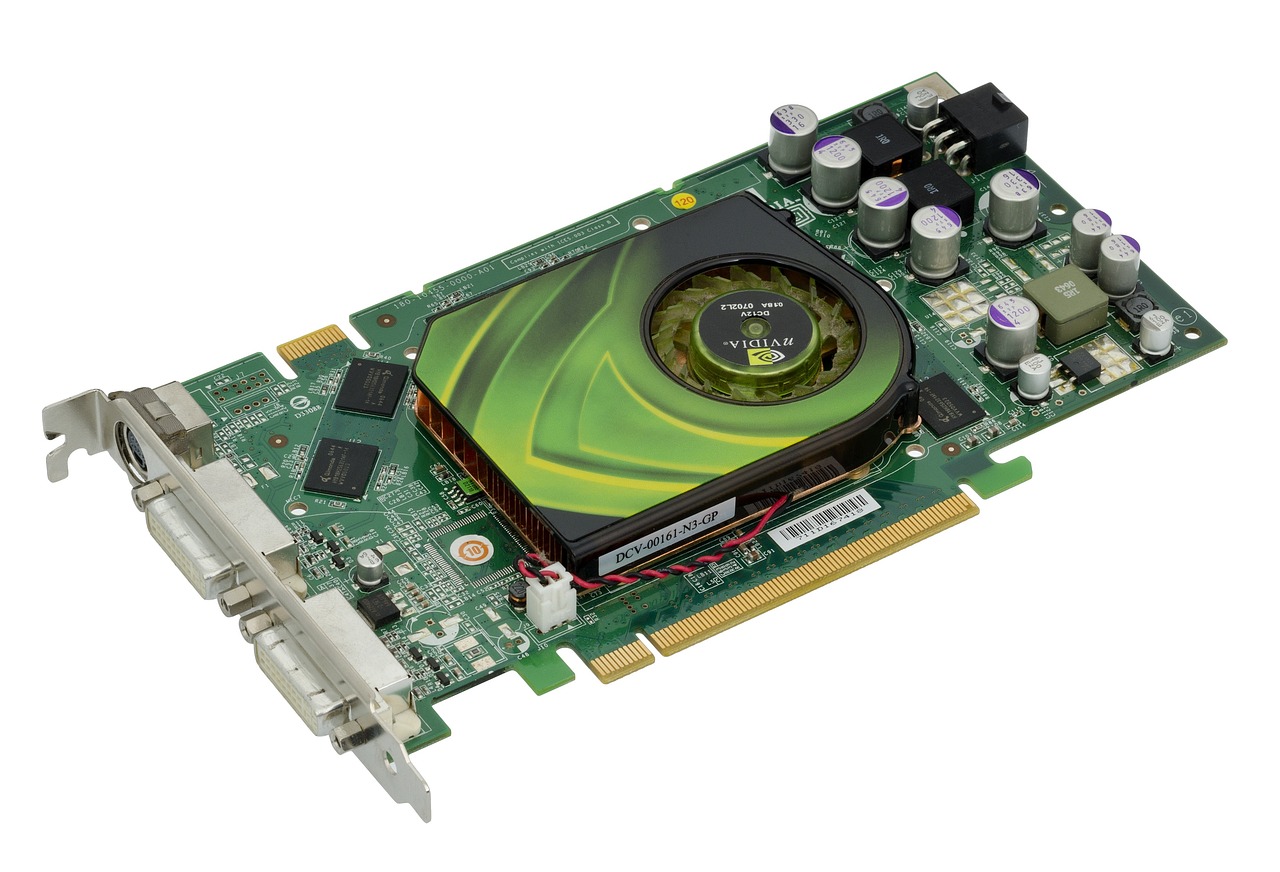
Nvidia, a company once known primarily for its graphics processing units (GPUs), has seen its market value soar to rival that of tech behemoth Apple. This remarkable achievement can be attributed to a series of strategic decisions, innovative products, and a deep understanding of market needs. This article will explore Nvidia's rise to prominence, the factors behind its success, and what other companies can learn from its journey.
Nvidia Corporation was founded in 1993 by Jensen Huang, Chris Malachowsky, and Curtis Priem. Jensen Huang, who serves as the company's CEO, has been the driving force behind Nvidia's vision and strategy. Huang, a Taiwanese-American entrepreneur, has a background in electrical engineering and has worked at companies like AMD and LSI Logic before founding Nvidia. His leadership has been instrumental in transforming Nvidia from a niche GPU manufacturer to a leader in artificial intelligence (AI) and high-performance computing.
Several key decisions have contributed to Nvidia's impressive market performance:
While Nvidia initially gained fame for its gaming GPUs, the company wisely diversified its product portfolio. It ventured into AI, data centers, and autonomous vehicles, tapping into new and rapidly growing markets.
Nvidia's early investment in AI and machine learning has paid off handsomely. The company's GPUs are now the gold standard for AI research and development, used by tech giants like Google, Amazon, and Facebook.
Nvidia has made several strategic acquisitions, including Mellanox Technologies and Arm Holdings. These acquisitions have strengthened its position in data centers and expanded its reach into the broader semiconductor market.
Nvidia's relentless focus on innovation has kept it ahead of the competition. The company consistently releases cutting-edge products that set new industry standards.
Nvidia's competitors include companies like AMD, Intel, and Qualcomm. While these companies are formidable players in their own right, Nvidia has managed to outpace them for several reasons:
Nvidia's GPUs are optimized for AI workloads, giving it a significant edge in the AI and machine learning markets. This specialization has made Nvidia the go-to choice for AI researchers and developers.
Nvidia has built a robust ecosystem around its products, including software like CUDA and partnerships with major tech companies. This ecosystem creates a network effect, further cementing Nvidia's market leadership.
Jensen Huang's strategic vision and leadership have been critical. His ability to anticipate market trends and pivot the company accordingly has kept Nvidia ahead of the curve.
Nvidia's product lineup is diverse and strategically designed to cater to multiple high-growth markets. Some of its key products include:
Nvidia's GeForce GPUs are synonymous with high-performance gaming. The latest models, such as the GeForce RTX 30 series, offer cutting-edge graphics technology and real-time ray tracing.
The Nvidia Tesla GPUs are designed for data centers and AI research. These GPUs power some of the world's most advanced AI systems and are used in a variety of applications, from healthcare to autonomous driving.
The sustainability of Nvidia's high stock price depends on several factors:
Nvidia must continue to innovate and release products that meet the evolving needs of its customers. The company's track record suggests that it is well-positioned to do so.
The broader tech market and economic conditions will also play a role. As long as demand for AI, gaming, and data center solutions remains strong, Nvidia's stock price is likely to stay robust.
Nvidia will need to maintain its competitive edge against rivals like AMD and Intel. Any significant advancements by competitors could impact Nvidia's market position.
Despite its success, Nvidia faces several potential risks:
Nvidia's acquisition of Arm Holdings has faced regulatory hurdles, which could impact its business strategy and operations.
Like many tech companies, Nvidia is susceptible to supply chain disruptions, which could affect its ability to meet demand.
As Nvidia continues to grow, it may face challenges related to market saturation and diminishing returns in some segments.
Looking ahead, Nvidia is likely to focus on several key areas:
Nvidia will continue to invest heavily in AI and machine learning, developing new products and solutions for these rapidly growing fields.
The company is also making significant strides in autonomous vehicle technology, partnering with major automotive companies to develop AI-driven solutions.
Nvidia's data center business will remain a critical growth area, with ongoing investments in GPUs and networking solutions.
Entrepreneurs and small companies can learn several valuable lessons from Nvidia's success:
Nvidia's decision to diversify beyond gaming into AI and data centers has been a significant factor in its success. Small companies should explore multiple revenue streams to mitigate risks and capitalize on new opportunities.
Continual investment in research and development is crucial. Innovation keeps a company competitive and relevant in a rapidly evolving market.
Creating a robust ecosystem around your products can lead to network effects and increased customer loyalty. This can be achieved through strategic partnerships and developing complementary software and services.
The GeForce RTX 30 series GPUs are Nvidia's flagship gaming products. They offer unparalleled performance, real-time ray tracing, and AI-enhanced graphics, making them the top choice for gamers and content creators.
The Nvidia Tesla V100 is a high-performance GPU designed for AI and data center applications. It delivers exceptional performance for deep learning, high-performance computing, and data analytics, making it a critical component in advanced AI systems.
Nvidia is best known for its graphics processing units (GPUs), which are widely used in gaming, AI, and data centers.
Nvidia has diversified its business by expanding into AI, data centers, and autonomous vehicle technology.
Nvidia's main competitors include AMD, Intel, and Qualcomm.
Some of Nvidia's key products include the GeForce RTX 30 series GPUs and the Nvidia Tesla V100 GPUs.
Potential risks for Nvidia include regulatory scrutiny, supply chain disruptions, and market saturation.







Comments 0