Artificial Intelligence (AI) has rapidly become one of the most talked-about technologies of our time. From self-driving cars to virtual assistants, AI is transforming the way we live and work. This article aims to provide a comprehensive overview of the history of AI, explain why it has made such significant strides recently, address concerns about AI taking over jobs, and offer guidance on how ordinary people should perceive and interact with AI.
A Brief History of AI
The concept of artificial intelligence is not new. The term "artificial intelligence" was first coined by John McCarthy in 1956 at the Dartmouth Conference. Early AI research focused on symbolic reasoning and problem-solving. However, progress was slow due to limited computational power and data availability.
In the 1980s, the advent of machine learning, a subset of AI that allows computers to learn from data, marked a significant milestone. Yet, it wasn't until the 21st century that AI truly began to flourish, thanks to advancements in computational power, the availability of large datasets, and breakthroughs in algorithms.
Why Has AI Made Such Significant Progress Recently?
Several factors have contributed to the rapid advancements in AI:
- Increased Computational Power: Modern processors and specialized hardware like GPUs and TPUs have dramatically increased the capability to process vast amounts of data quickly.
- Big Data: The explosion of data from the internet, social media, and IoT devices provides the raw material needed for AI algorithms to learn and improve.
- Advanced Algorithms: Innovations in neural networks, especially deep learning, have enabled more sophisticated and accurate models.
- Open Source and Collaboration: The AI community has embraced open-source principles, leading to widespread sharing of research, code, and datasets, which accelerates progress.
How AI is Transforming Our Lives
AI is becoming an integral part of our daily lives, influencing various aspects such as:
- Healthcare: AI is revolutionizing healthcare by enabling early disease detection, personalized treatment plans, and robotic-assisted surgeries. It can analyze vast amounts of medical data to provide insights that were previously unattainable.
- Transportation: Self-driving cars and AI-driven traffic management systems promise to reduce accidents, improve traffic flow, and provide more efficient public transportation options.
- Education: AI-powered educational tools offer personalized learning experiences, helping students learn at their own pace and providing teachers with valuable insights into student performance.
- Home Automation: Smart home devices, powered by AI, can learn our preferences and habits to automate tasks like adjusting the thermostat, managing security systems, and even suggesting recipes.
As AI continues to advance, our lives will become increasingly intertwined with intelligent systems that enhance our productivity, convenience, and overall well-being.
Will AI Take Over Our Jobs?
One of the most common concerns about AI is its potential to replace human jobs. While it is true that AI will automate certain tasks, it is essential to understand that AI is more likely to transform jobs rather than eliminate them entirely.
- Automation of Repetitive Tasks: AI excels at automating repetitive and mundane tasks, freeing up humans to focus on more complex and creative aspects of their jobs.
- Creation of New Jobs: Just as the industrial revolution created new types of jobs, AI is expected to generate new roles in fields like AI ethics, data analysis, and AI system maintenance.
- Augmentation, Not Replacement: In many cases, AI will augment human capabilities rather than replace them. For example, doctors can use AI to diagnose diseases more accurately, and customer service representatives can use AI to handle routine inquiries more efficiently.
Will We Be Replaced by AI?
The fear of being entirely replaced by AI is largely unfounded. While AI can outperform humans in specific tasks, it lacks the general intelligence, creativity, and emotional understanding that humans possess. AI is a tool that can enhance human abilities but is not a substitute for human intelligence.
National Perspective: How Should Countries Approach AI?
At the national level, governments must strike a balance between fostering AI development and ensuring ethical and legal standards:
- Promote Innovation: Governments should invest in AI research and development to stay competitive in the global market. This includes funding for universities, private sector partnerships, and public research institutions.
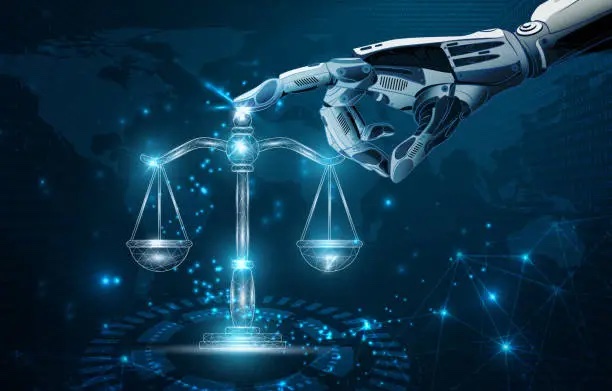
- Regulate Ethically: Implementing regulations that ensure AI is developed and used ethically is crucial. This involves setting standards for data privacy, algorithmic transparency, and accountability.
- Public Awareness: Governments should educate the public about AI, its benefits, and its risks. Public understanding and acceptance are essential for the successful integration of AI into society.
- International Collaboration: AI development should be a global effort. Countries should collaborate on setting international standards and sharing best practices to ensure AI benefits humanity as a whole.
Privacy Concerns: Is AI Stealing and Selling Our Privacy?
The integration of AI into various aspects of our lives raises legitimate concerns about privacy:
- Data Collection: AI systems often require vast amounts of data to function effectively. This data can include personal information, which raises concerns about how it is collected, stored, and used.
- Data Security: Ensuring that data is securely stored and protected from breaches is paramount. Companies must implement robust security measures to prevent unauthorized access to sensitive information.
- Transparency and Consent: Users should be informed about what data is being collected and how it will be used. Consent mechanisms should be clear and straightforward.
- Ethical Use of Data: Companies must commit to using data ethically, avoiding practices like selling personal information without explicit consent or using data for manipulative purposes.
How Should Ordinary People Perceive and Interact with AI?
As AI continues to evolve, it is crucial for ordinary people to adopt a balanced perspective:
- Stay Informed: Educate yourself about AI and its capabilities. Understanding the technology helps demystify it and reduces fear.
- Embrace Lifelong Learning: The job market will continue to evolve, and new skills will be in demand. Embrace lifelong learning to stay relevant and take advantage of new opportunities.
- Advocate for Ethical AI: Support policies and practices that promote ethical AI development and use. This includes ensuring AI is transparent, fair, and respects privacy.
- Leverage AI Tools: Use AI tools to enhance your productivity and creativity. From personal assistants to educational platforms, AI can be a valuable ally in your daily life.
FAQ
Q1: Can AI develop emotions and consciousness?
- A1: Currently, AI cannot develop emotions or consciousness. AI systems are designed to process data and make decisions based on predefined algorithms. They do not possess self-awareness or emotional intelligence.
Q2: How can I learn more about AI?
- A2: There are many resources available to learn about AI, including online courses, books, and tutorials. Websites like Coursera, edX, and Khan Academy offer courses on AI and machine learning for beginners and advanced learners alike.
Q3: Is AI safe to use in everyday life?
- A3: Yes, AI is generally safe to use in everyday life. However, it is essential to use AI applications from reputable sources and be aware of privacy concerns. Always read the terms and conditions and understand how your data will be used.









Comments 0