Chronic reproductive tract infections not only affect women's reproductive capabilities but also increase the risk of cancer in women.

Wed, Oct 28 2026
Chronic reproductive tract infections not only affect women's reproductive capabilities but also increase the risk of cancer in women.
Women who have long suffered from reproductive tract infections not only may their fertility be affected, but they also face a higher risk of cancer. At the launch of an important project sponsored by the National Health Commission's Capacity Building and Continuing Education Center, medical experts pointed out that in a large-scale baseline survey conducted across more than 700 hospitals, it was preliminarily found that 18.5% of female patients were troubled by vaginal inflammatory infections. These figures reveal the high incidence of vaginitis in primary medical settings and the relative insufficiency of gynecological visits at the grassroots level.
According to data from the World Health Organization (WHO), nearly 40% of women in China suffer from different degrees of reproductive tract infections and other gynecological diseases. For married women, this proportion even climbs to 70%. From data extrapolation, about 300 million Chinese women have experienced these diseases. It is clear to see that as China's aging issue becomes more serious and the fertility rate continues to decline year by year, it is particularly crucial to detect and treat gynecological diseases in a timely manner.
However, at present in China, the allocation of primary healthcare resources is not sufficient, not fully meeting the diagnostic and medication needs of gynecological diseases. According to Zhu Lan, primary hospitals face multiple problems in obstetrics and gynecology, including insufficient patient visits, inadequate medical staff, and gaps in personnel technical abilities.
While increasing the screening and treatment efforts for gynecological diseases, attention should also be paid to those gynecological diseases that are overlooked by society. For example, in a screening campaign for "two cancers" in Shandong, a 70-year-old woman was found suffering from uterine prolapse, which she was too embarrassed to mention. Once treated, her quality of life improved significantly. It should be noted that "two cancers" refer to cervical cancer and breast cancer, and uterine prolapse is particularly common among rural women, especially those aged 45-59.
Experts point out that factors such as insufficient medical staff allocation, lack of professional capabilities, low intensity of primary screening, and insufficient drug supplies, together lead to the difficulty of realizing the ideal of "minor illnesses do not leave the county" at the grassroots level, especially in rural areas. Studies tell us that cervicitis, breast hyperplasia, vaginitis, uterine fibroids, ovarian cysts, adnexal masses, and pelvic inflammatory disease are the top seven common gynecological diseases.
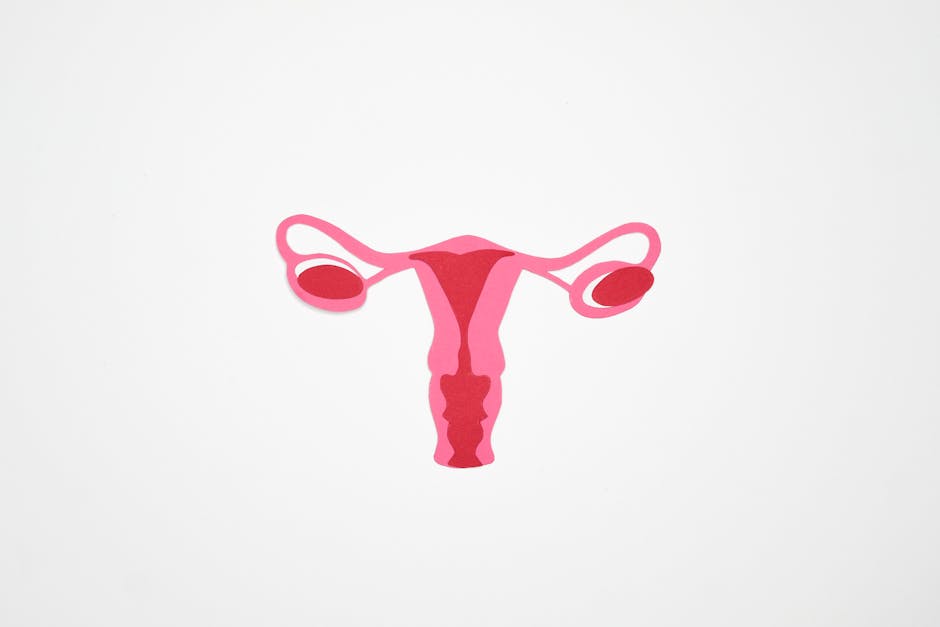
Reproductive system infections are the highest incidence category of diseases among women. Among them, cervical erosion is a typical disease of cervicitis, with a particularly prominent incidence rate among the female group aged 31 to 40, which may be closely related to their estrogen levels. Xue Fengxia, Director of the Obstetrics and Gynecology Medical Center of Tianjin Medical University General Hospital, proposed that reproductive tract infections may include various inflammations, such as vulvitis, vaginitis, cervicitis, endometritis, salpingitis, and pelvic peritonitis.
Xue Fengxia pointed out that public awareness of gynecological infectious diseases is generally insufficient. Many people pay less attention to inflammations than to tumors, even thinking that some minor symptoms should be endured if possible. She stressed that inflammation of any part of the reproductive system can have a great impact on a woman's fertility, including but not limited to infertility, recurrent miscarriage, premature birth, etc. In addition, vaginal infections can also act as a catalyst for cervical cancer and increase the risk of sexually transmitted diseases.
Addressing the misconceptions about treating gynecological diseases, Xue Fengxia pointed out that many patients avoid seeking medical attention due to the privacy of the affected areas and turn to over-the-counter douching products instead. This "one-wash solution" approach is not scientific. She further noted that effective screening is the key to promoting early treatment. In China, although public health programs have included "two cancer" screenings for rural women and supported breast cancer and cervical cancer screenings through national policies, the screening for common gynecological diseases, especially at grassroots medical institutions, has still not received enough attention.
According to the goals of the "Chinese Women's Development Plan (2011–2020)," by 2020, the regular screening rate for common diseases among women needs to reach over 80%. Data shows that this target has been exceeded, with a screening rate of 86.6%. However, current relevant departments no longer specifically require reporting this data, which could lead to a weakening of the momentum in screening efforts.
Zhu Lan pointed out two main issues in the discussion of the diagnostic process: primary care physicians, although recognizing the importance of distinguishing different types of vaginitis, only 51% have made diagnoses based on the type of pathogen. In addition, primary care physicians also face challenges with irregular drug use.
In conclusion, Zhu Lan emphasized that to achieve an overall improvement in the quality of gynecological disease treatment, national-level attention and support are needed. This includes project support from the Health and Family Planning Commission and the Science and Technology Department. At the same time, education is needed to raise public awareness of the true incidence of these diseases and ensure grassroots medical institutions have the ability to provide homogenized and standardized diagnostic and treatment services.
In the field of medical services, online consultations are becoming a force that cannot be ignored. Although in the field of obstetrics and gynecology, the construction of grassroots medical care is gradually stabilizing, which requires complicated and long-term effort, the proliferation of internet diagnostics offers solutions to many current challenges - such as the shortage of medical staff, skill gaps, and insufficient capacity.
The real value of internet diagnostics lies not only in bringing convenience to patients but also in whether it can effectively support and strengthen the capabilities of primary medical services. However, people have begun to consider whether the expansion of the off-hospital services market will put pressure on an already tight on-hospital services market. In response, some industry experts have given positive views, suggesting that the grassroots medical market is not a zero-sum game, and that pressure also represents a driving force for progress.
This industry view holds that both on-hospital and off-hospital medical services have their respective advantages and should complement rather than compete with each other. Internet diagnostics can improve treatment efficiency and reduce resource wastage by connecting more expert resources. However, not all diseases can be diagnosed and treated online - some cases require more detailed pathogen testing, which needs to be provided by offline physical institutions.
For patients, internet consultations can serve as an effective complement to disease discovery, diagnosis, and treatment. Patients can use online consultations to initially understand the potential of a disease and, combined with the results of an online diagnosis, turn to local primary hospitals for actual inspection and treatment to form a comprehensive diagnostic and treatment loop. Moreover, internet consultations are not exclusive; they serve both provincial and county hospitals, allowing more medical personnel to participate.
When looking at the relationship between online and offline medical services, many industry insiders believe that online consultations are not in opposition to traditional services, but rather complement each other. Online services can reduce communication and time costs compared to offline, and expand the service range. At the same time, in the process of empowering grassroots healthcare and patients, enterprises can also discover more business opportunities.
According to relevant research reports, the detection rate of gynecological diseases is quite high among Chinese women, and the privacy of gynecological diseases causes many women to have psychological barriers to going to hospitals for testing. This has opened up market space for providing more convenient home testing services. For example, businesses can offer home testing services, allowing women to assess their health status at home and then seek targeted medication consultation or medical treatment, rather than blindly using drugs that may have side effects.
The Ministry of Finance has now made public the important information recently released. This message has profound significance for the wide audience concerned with fiscal policies and economic trends. In the latest policy document, the Ministry of Finance provided a detailed interpretation of the current economic management measures and proposed new fiscal guidelines aimed at further optimizing the country’s economic layout and promoting stable economic growth.
The content of the release elaborated on the future allocation and use of fiscal funds, including the adjustment of fiscal support for key areas and critical periods. These adjustments involve multiple aspects such as education, healthcare, scientific and technological innovation, and social security, with the aim of better meeting the needs of the country's development and the expectations of the people.
The implementation of this series of policies is intended to strengthen the ability to regulate the overall operation of the economy and ensure the quality and efficiency of economic development. Among them, there is an emphasis on fiscal support for sustainable development areas such as environmental protection and energy conservation and emission reduction, demonstrating the country's commitment to the concept of green development and its attitude towards valuing a beautiful ecological environment.
The update of these fiscal policies meets the new requirements of national development and provides a clearer policy direction for market entities. In the process of implementing these policies, it is hoped to trigger a positive chain reaction, bringing tangible benefits to a wide range of enterprises and people.







Comments 0